Pixelizer
Guide
Median Cut vs K-Means vs NeuQuant vs Octree
Pixelizer exposes four quantization engines. They are not cosmetic labels: each builds the palette differently, then maps every grid cell to that palette.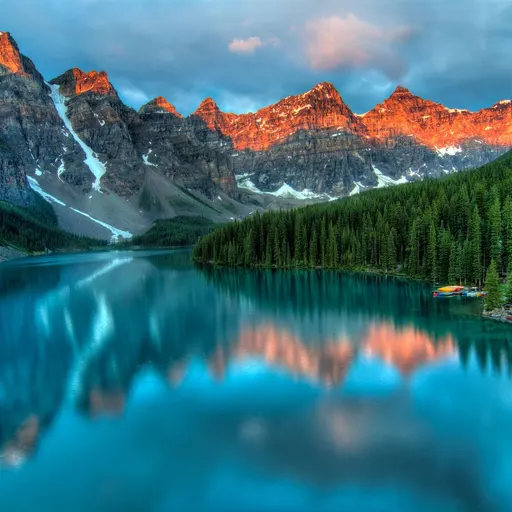
BeforeSource photo
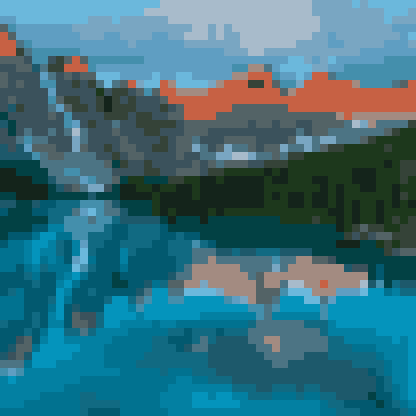
AfterNeuQuant · 20 colors · 52×52
Pixel conversion samples a photo onto a grid of cells, then paints each cell from a smaller palette. The grid decides how coarse the picture is. The color budget decides how many distinct colors remain.
Each cell takes an average of the photo underneath it. Palette reduction groups those averages into graphic blocks, so the result reads as pixel art instead of a tiny photograph. Dithering is optional. It mixes neighboring colors so gradients stay readable after the palette shrinks.
After the first passSet the cell width and height, pick a styled look, and set max colors. Leave dithering off for flat regions, or turn it on when soft shading matters. You still recolor the palette and paint on the grid. For the full convert-then-edit loop, see photo to pixel art.
Open the studioCreate a project in the gallery and run the same pipeline on your photo.